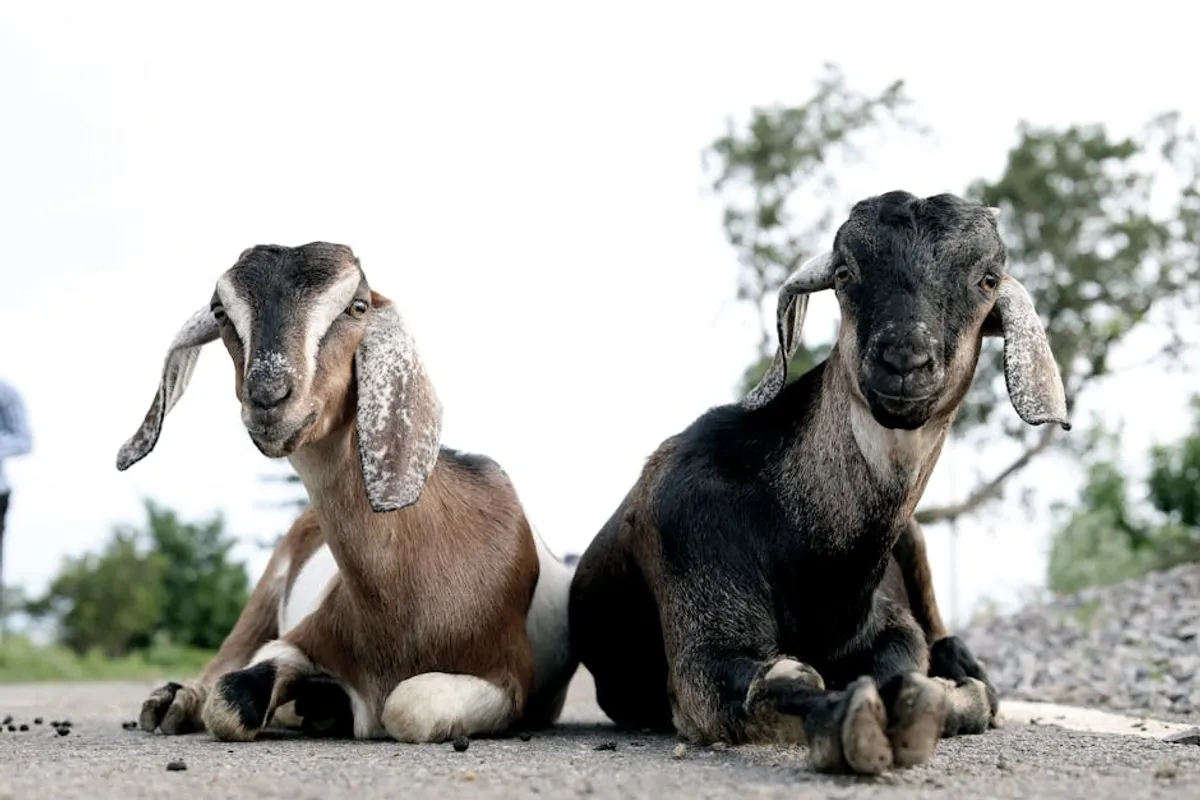
In the competitive landscape of digital content, standing out requires more than just informational accuracy; it demands engagement and a distinctive brand voice. Niche humor, specifically well-crafted puns, offers a strategic avenue for achieving this. This article explores "goat puns"—wordplay centered around the animal 'goat,' its characteristics, or the popular acronym "GOAT" (Greatest Of All Time). Understanding their meaning, exploring creative examples, identifying related terms, and learning practical application strategies can significantly enhance content memorability, audience connection, and overall brand personality.
Defining "Goat Puns" and Their Appeal
A goat pun relies on a play on words, either directly using the word "goat" or leveraging homophones, related terms, or cultural associations. This form of humor often creates a lighthearted, memorable impression. For marketers and content creators, the appeal lies in its capacity to humanize a brand, make complex topics more approachable, and foster a sense of shared amusement with an audience.
The strategic deployment of such niche humor can differentiate content from competitors who rely solely on factual delivery. It signals creativity and attention to detail, which can resonate particularly well with younger demographics or communities that appreciate playful communication. Furthermore, the inherent shareability of good humor can extend content reach organically.
Creative Examples of Goat Puns
Effective goat puns often blend common phrases with goat-related terminology, creating unexpected and amusing twists. These examples demonstrate how the animal's traits or the "GOAT" acronym can be integrated:
- "Don't get my goat, I'm just kidding around!" (Plays on "get my goat" and "kid" as a young goat)
- "I'm feeling pretty baa-d today, but I'll get over it." (Uses the sound a goat makes)
- "That's the GOAT of all marketing campaigns." (Leverages the "Greatest Of All Time" acronym)
- "We're going to hoof it to the top of the SERPs." (Connects to a goat's hooves)
- "Let's bleat the competition with this new strategy." (Uses the sound of a goat)
- "This content is udderly fantastic!" (Plays on a cow's udder, but often associated with farm animals generally)
- "Having a truly great time with my herd." (Refers to a group of goats)
- "Don't be sheepish, share your ideas!" (While not directly goat, often used in farm animal contexts for humor)
These examples illustrate the range from direct wordplay to more subtle associations, all aiming to evoke a smile or a moment of recognition from the reader.
Synonyms and Related Terms for Expanded Wordplay
To broaden the scope of goat-related humor, consider words that sound similar to "goat" or terms directly associated with the animal. This expands the creative possibilities beyond just the literal word.
Homophones and Sound-Alikes
Words that sound like "goat" or its components can form the basis of puns, even if their original meaning is unrelated. Examples include "go," "gloat," "boat," "coat," or even parts of words like "negotiate" (go-t). These require more careful crafting to ensure the pun is clear and not forced.
Goat-Specific Terminology
Incorporating terms directly related to goats provides authentic and often clearer pun opportunities:
- Kid: A young goat. "Just kidding!" becomes "Just kid-ding!"
- Billy/Nanny: Male/female goat.
- Herd: A group of goats. "Join the herd!"
- Bleat: The sound a goat makes. "Don't bleat around the bush."
- Hoof/Hooves: The foot of a goat. "Hoof it over here."
- Horn/Horned: A goat's distinctive headwear. "Horn in on the conversation."
- Graze/Grazing: How goats eat. "Grazing for new ideas."
- Chew/Chewing: Goats are known for chewing. "Chew on this idea."
- Mountain/Climb: Goats are agile climbers. "Scaling new marketing mountains."
The acronym "GOAT" (Greatest Of All Time) is a particularly potent tool for modern content, allowing for puns that celebrate excellence in any field, from product features to team achievements.
Integrating Goat Puns into Commercial Content Strategies
Strategic deployment of goat puns can elevate various marketing and content assets. The key is relevance and audience appropriateness.
Enhancing Social Media Engagement
Best for: Quick, shareable content; building community rapport.
Puns make excellent social media captions, especially for posts featuring products, team achievements, or lighthearted brand updates. They can increase comment rates and shares, acting as a conversational hook. For example, a post announcing a new product could be captioned, "This new feature is the GOAT!" or a team success story, "Our team is truly un-baa-lievable!"
Crafting Memorable Blog Post Titles and Headings
Best for: Increasing click-through rates; signaling a unique brand voice.
A well-placed pun in a blog title can pique curiosity and differentiate content in a crowded search results page. For instance, an article about overcoming business challenges could be titled, "Hoofing It Through Hurdles: A Guide to Business Resilience." Subheadings can also carry the theme, maintaining reader engagement throughout the piece.
Injecting Personality into Product Descriptions
Best for: Differentiating products; creating an emotional connection.
For brands with a playful or quirky identity, integrating goat puns into product descriptions can add character. A durable outdoor product might be described as "tough enough for any mountain goat," or a high-performing tool as "the GOAT of its category." This approach makes descriptions more engaging than purely functional language.
Boosting Email Open Rates with Subject Lines
Best for: Improving email campaign performance; standing out in inboxes.
A clever pun in an email subject line can significantly increase open rates by generating curiosity. Consider subject lines like "Don't get our goat: Check out these new offers!" or "This news is the GOAT – you won't want to miss it." The unexpected humor can break through inbox clutter.
Pro Tip: Context is paramount. Before deploying a goat pun, consider your audience's expectations and your brand's established tone. A pun that lands flat or feels forced can undermine credibility. A/B test humorous subject lines or social media captions to gauge audience reception and refine your approach.
Optimizing Content with Humorous Elements
While puns don't directly impact SEO rankings through keyword density, their indirect benefits are substantial. Engaging content leads to higher time on page, lower bounce rates, and increased social shares, all of which are positive signals to search engines about content quality and relevance. Humor, when done well, fosters brand loyalty and encourages repeat visits, building a stronger overall digital presence.
Moreover, highly shareable content, often propelled by humor, can generate organic backlinks and mentions, further boosting domain authority. The unique brand voice cultivated through consistent, clever wordplay also makes a brand more memorable, potentially increasing direct traffic and brand-specific searches.
Actionable Steps for Integrating Humor
To effectively incorporate goat puns into your content strategy, begin by auditing your current brand voice to ensure compatibility. If your brand is traditionally very formal, introduce humor gradually. Identify specific content opportunities where a pun would genuinely enhance the message without detracting from its core purpose. Brainstorm a list of goat-related words and phrases, then experiment with different ways to twist them into relevant contexts. Finally, always test and refine. Monitor engagement metrics for content that includes puns versus content that doesn't, allowing data to guide your humorous content strategy.
Frequently Asked Questions
Are goat puns effective in all marketing contexts?
No. While engaging, goat puns are most effective when they align with your brand's voice and your target audience's preferences. They work best in contexts where a lighthearted or playful tone is appropriate, such as social media, blog posts, or informal email campaigns. Highly formal or sensitive topics are generally not suitable.
How do goat puns contribute to SEO?
Goat puns contribute to SEO indirectly by enhancing content engagement. Humorous, shareable content can lead to higher time on page, lower bounce rates, increased social shares, and organic backlinks. These user engagement signals are positive indicators to search engines about the quality and relevance of your content, which can improve overall search performance.
Where can I find inspiration for more goat puns?
Inspiration can come from various sources: observing goat behavior, researching goat-related terminology, exploring common idioms that can be 'goat-ified,' or even using online pun generators as a starting point. Thinking about the "GOAT" acronym also opens up many possibilities for celebrating excellence.
What are the risks of using too many puns?
Overuse or poorly executed puns can lead to audience fatigue, confusion, or even alienate readers who find them forced or childish. The primary risk is that the humor overshadows or detracts from the core message, making your content less effective. Balance is crucial; use puns sparingly for maximum impact.